Life has changed significantly in recent decades, largely due to our increasingly interconnected world. We now live in an era where homes can be automated, personal health can be monitored with wearable devices, and a vast world of information can be accessed in an instant. This is the era of the Internet of Things (IoT), and it is much more than just a buzzword.
This technological transformation is happening across every industry, including real estate, with luxury developments like Saadiyat Shores Palm Hills integrating smart home features from the ground up. At its core, IoT is a system of integrated computers, sensors, and smart devices designed to collect, share, and analyze data, and it stands as one of the most significant innovations currently reshaping how people live and work.
The evolution of real estate through IoT
The Internet of Things is having a profound and widespread impact on society, and as a result, the real estate industry is undergoing a fundamental structural shift. From the initial stages of buying and selling to the ongoing processes of renting and property management, IoT has changed how people interact with their physical environment.
This connected network of devices has simplified transactions, for instance, by enabling agents to conduct virtual tours and sell properties without being physically present, which saves valuable time, money, and energy for all parties involved.
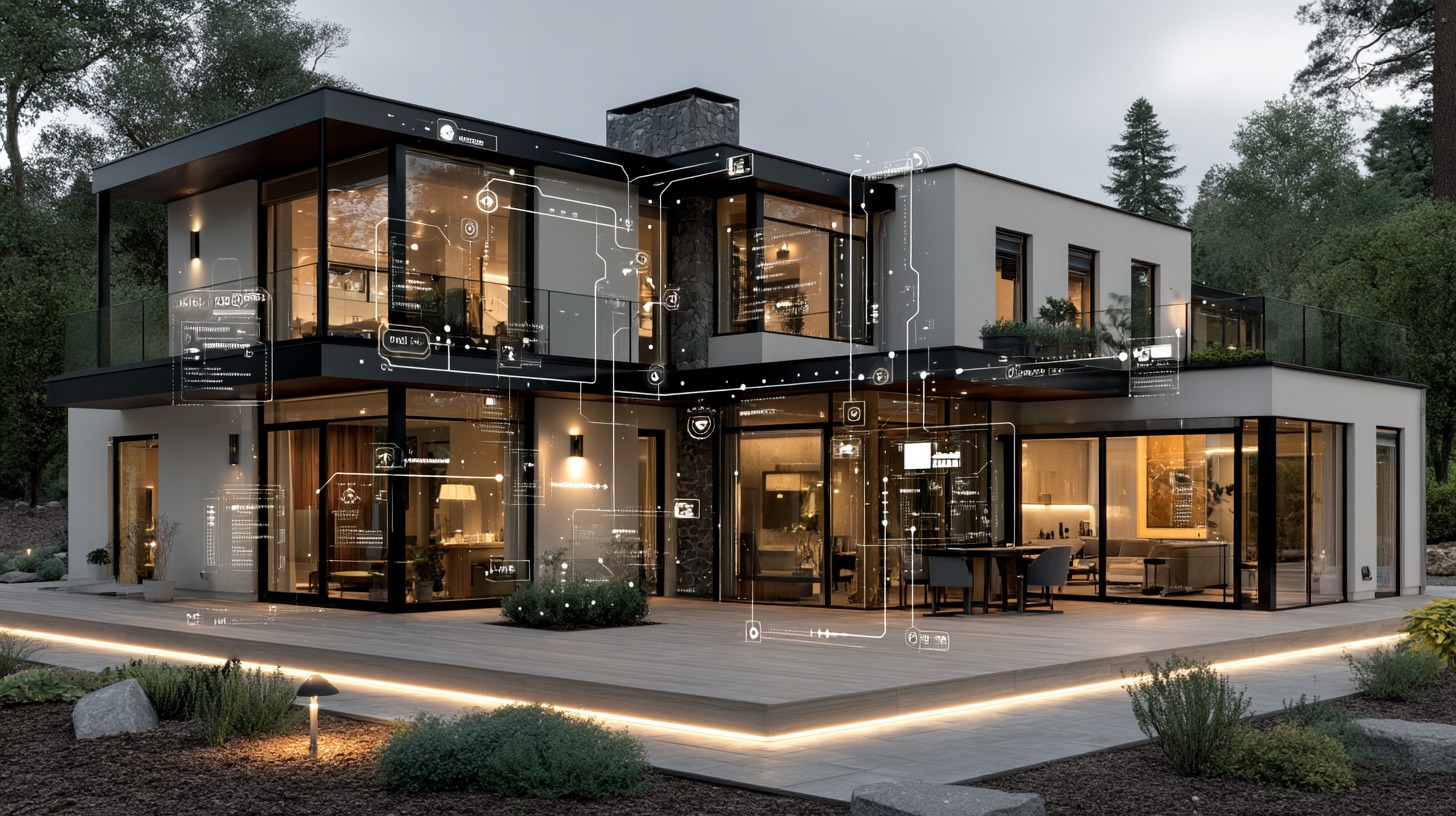
This powerful technology is also being integrated into new construction projects for hotels, residences, and commercial buildings, leading to better and more efficient building management systems. Many forward-thinking builders have already adopted this technology to create magnificent structures, such as Tata Eureka Park Noida and Conscient Hines Elevate. By implementing smart solutions, they not only increase a home’s resale value but also create a significant competitive edge in a crowded market.
How IoT applications are benefiting real estate
Real estate is one of the world’s largest and most vital industries, and the influence of IoT has impacted it in several beneficial ways.
House hunting made easy and super quick
At some point, nearly everyone needs a place to live. The growth of IoT has introduced powerful new methods for locating and securing a home. While finding listings online is now a common practice, many people are still unaware of the full potential of IoT-powered real estate tools.
Features like automated rental applications, immersive virtual tours, and seamless online booking systems are all powered by IoT technology. These innovations enhance the productivity and reach of real estate agencies while making the entire process safer and more convenient, a particularly important consideration in a post-pandemic world.
Smart homes for smarter living
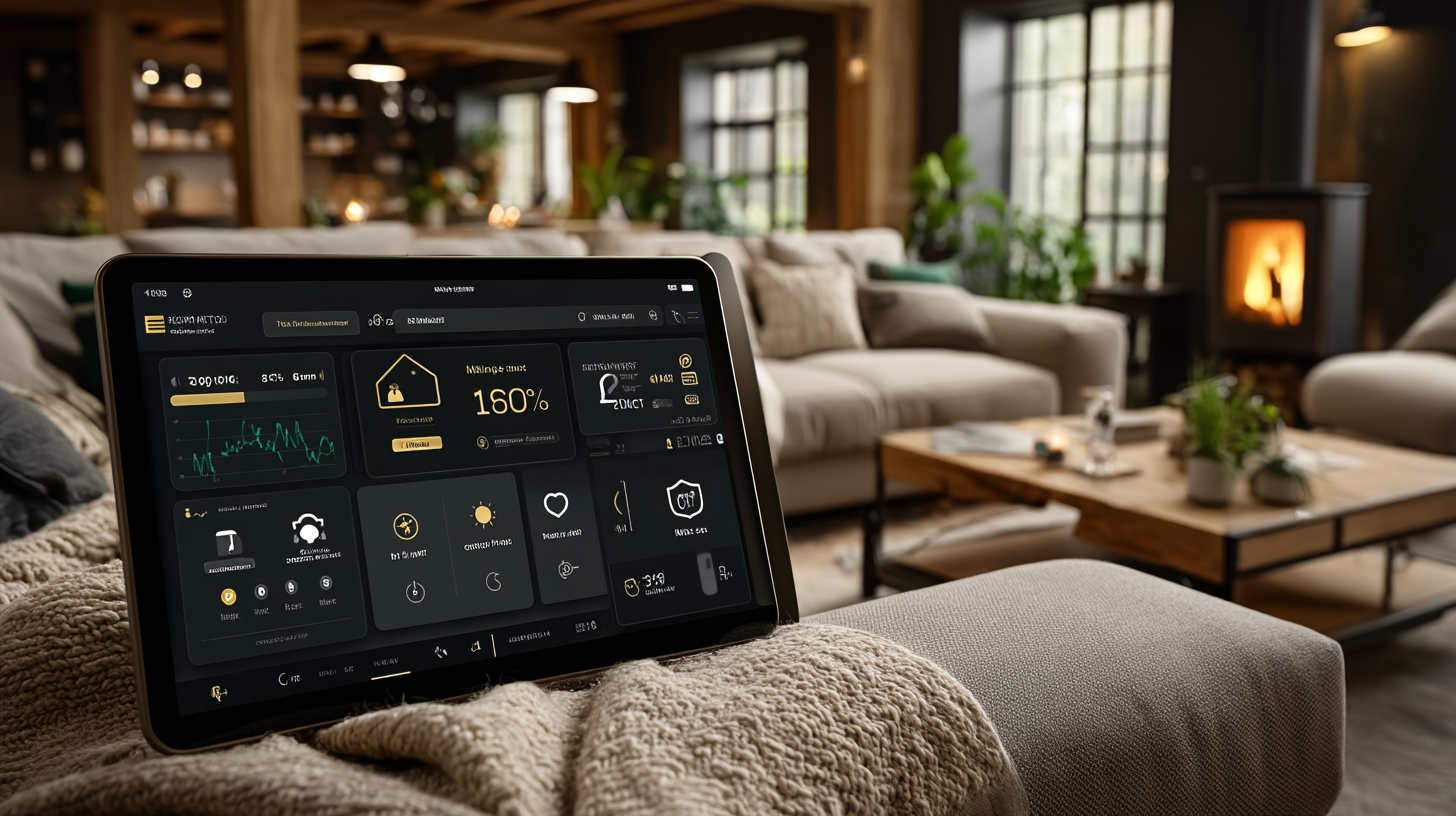
Smart homes are perhaps one of the most recognizable and popular applications of IoT. A growing number of homebuyers are specifically looking for homes equipped with smart features, and IoT makes it possible to seamlessly integrate numerous amenities under one cohesive system.
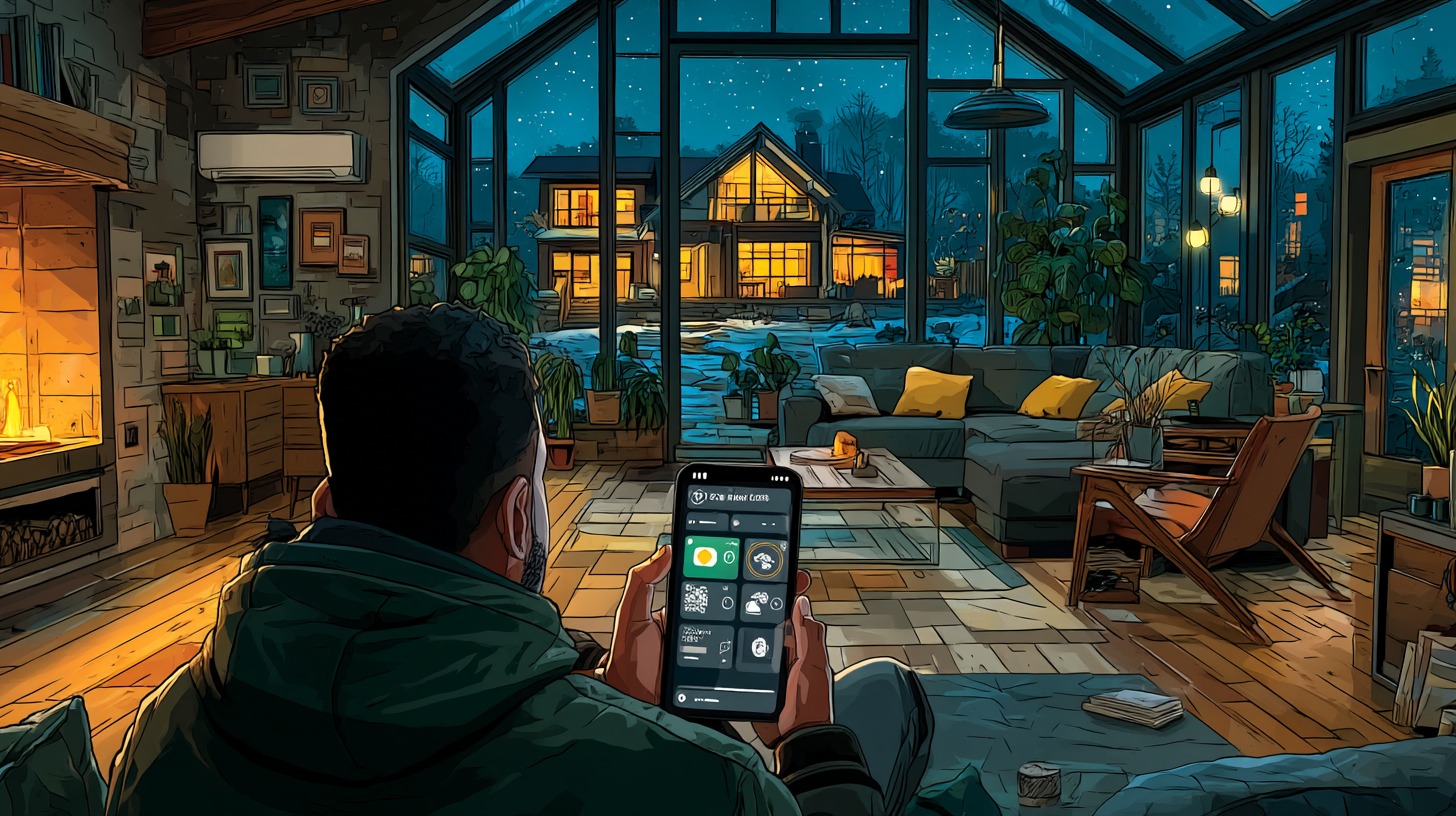
These features often include enhanced security systems with cameras connected directly to a smartphone, giving homeowners peace of mind. Additionally, smart appliances and thermostats can help reduce utility bills by up to 15% through increased energy efficiency and optimized usage patterns.
Quicker and better decisions
Smart homes naturally command a better resale value due to the current high demand for their features. Beyond residential properties, IoT also provides significant advantages to commercial retailers by offering detailed data on customer flow and behavior within smart commercial spaces.
This valuable information can be used to understand where customers spend most of their time, which products they interact with, and what they are ultimately looking for. This allows businesses to make better-informed decisions regarding store layout, product placement, and overall strategy.
IoT has a dazzling potential ahead
IoT technology already has a strong hold in the market and is poised to become even more dominant in the coming years. Its application in real estate has only just begun but has already proven to be incredibly beneficial for property owners, managers, and consumers alike. Considering its current impact, one can only imagine how deeply integrated and advantageous this technology will become in the future.
Specifically, the combination of IoT and mobile devices has the potential to create a massive boom in the industry, offering a wealth of opportunities to streamline complex processes, enhance user experiences, and solve everyday problems in ways we are only just beginning to explore.