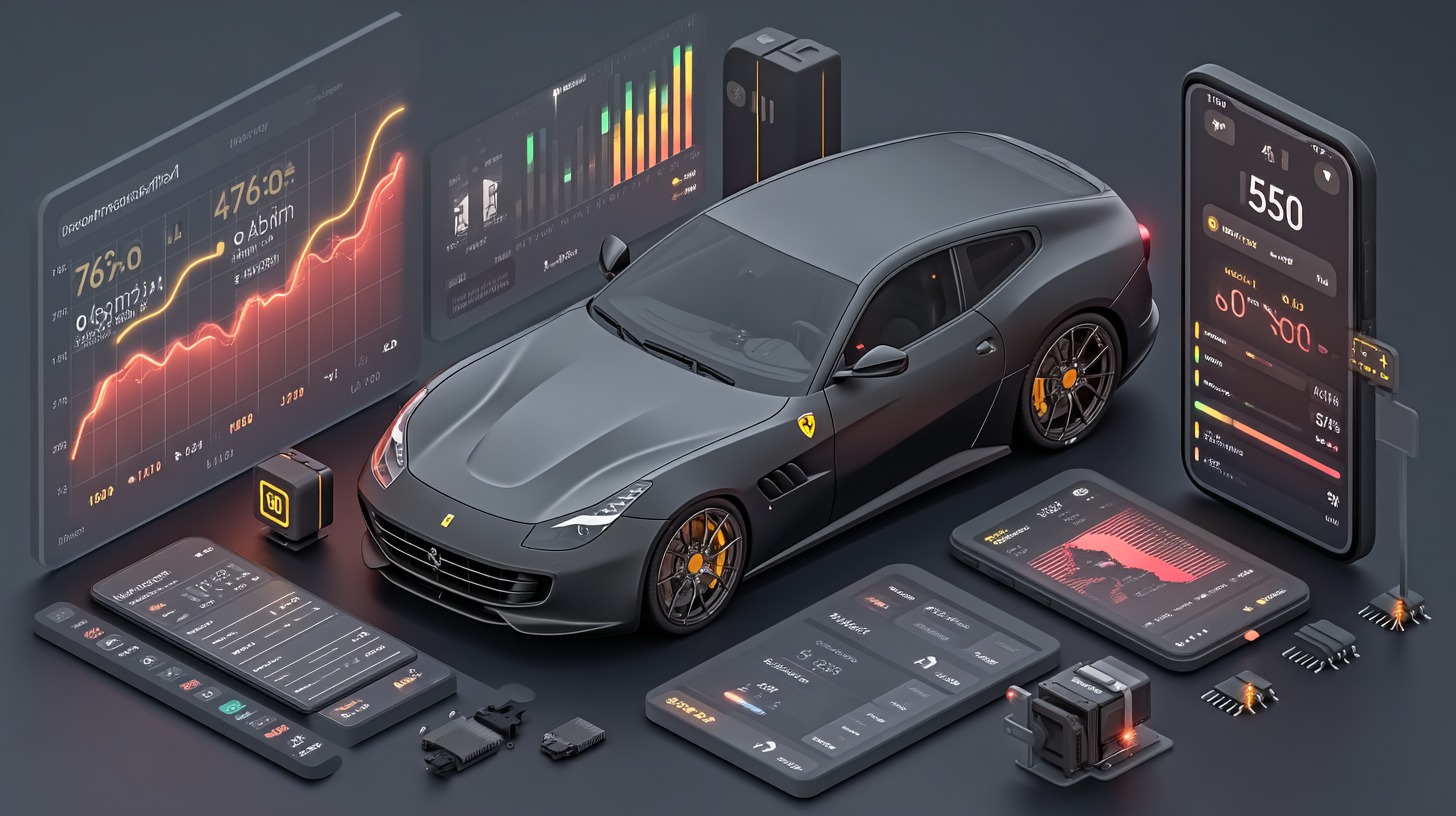
The Internet of Things (IoT) and telematics are revolutionizing the automotive insurance industry. By collecting and analyzing real-time vehicle data, these technologies are enabling insurers to move toward more dynamic and fair practices, such as personalized risk assessment, customized pricing models based on individual driving behavior, and more efficient, streamlined claims processing.
As the insurance industry becomes more data-driven and digital, customers increasingly expect convenient online services and transparent pricing. Today, drivers can easily compare car insurance quotes in Qatar, review coverage options, and select policies that match their needs and driving habits. Platforms such as https://qic.online/en/car-insurance allow motorists to explore available plans and manage their policies online, reflecting the broader shift toward more accessible and technology-driven insurance services.
What are IoT and telematics in auto insurance?
Telematics combines telecommunications and informatics to collect vehicle data. While often used for fleet management, its application in insurance is different. Here, hundreds of onboard sensors, enabled by cloud computing, provide insights into driver behavior and safety. Insurance providers use this IoT data to offer premiums based on actual driving habits, incentivizing safer driving with lower rates.
Applications of telematics in car insurance
Telematics technology enables a variety of innovative applications in the auto insurance industry. By collecting real-time data on driving behavior, insurers can move beyond traditional risk assessment models to offer more personalized and dynamic services. Here are some of the key applications:
Usage-Based Insurance (UBI)
UBI premiums are based on how much and how well a vehicle is driven, leading to better rates for low-mileage or safe drivers. These models are also known as Pay-As-You-Drive (PAYD) or Pay-How-You-Drive (PHYD).
Personalized risk assessment
IoT sensors — embedded in cars, added as aftermarket devices, or accessed via a smartphone app — generate data on acceleration, speed, braking, and location to create risk profiles and adjust policies.
Incentivizing safe driving
These sensors can provide real-time feedback to drivers via a dashboard or app, helping them improve their behavior and earn lower premiums.
Fraud detection and prevention
During claims investigations, IoT and telematics data help analysts verify a vehicle’s location, speed, and driver behavior to detect fraudulent claims.

Optimized claims handling
Telematics data provides insurers with accurate accident information, streamlining the entire claims process.
Combining AI and IoT for smarter insurance
When paired with AI, telematics data can automate many parts of the claims process. Visual AI can analyze photos of a damaged vehicle to assess claim value, comparing it with telematics data to establish a sequence of events. AI can also use historical data to identify ‘risky’ drivers, potentially reducing claim payouts.
Challenges and adoption of IoT insurance telematics
Despite its potential, the insurance telematics market has stagnated recently, though it is projected to expand long-term. A major past obstacle was system incompatibility, but prominent auto manufacturers have since expanded their telematics offerings. With technological hurdles being addressed, low adoption is now attributed to privacy concerns and regulatory hurdles. The perception of telematics as “spying” also discourages adoption, though the industry believes compelling value propositions like discounts can overcome these concerns.
The opportunity for predictive auto insurance
Europe and North America lead in insurance telematics programs. Berg Insight estimates that telematics policies will grow from 30.9 million at the end of 2023 to 43.9 million by 2028 across both markets. Top insurers are increasingly introducing smartphone-based UBI solutions to supplement or replace traditional dongles, shifting focus from hardware to app-based solutions to increase penetration.
For consumers, the benefits are clear: better pricing, safer roads, and streamlined claims. For insurers, IoT technology enables a new era of proactive risk management.