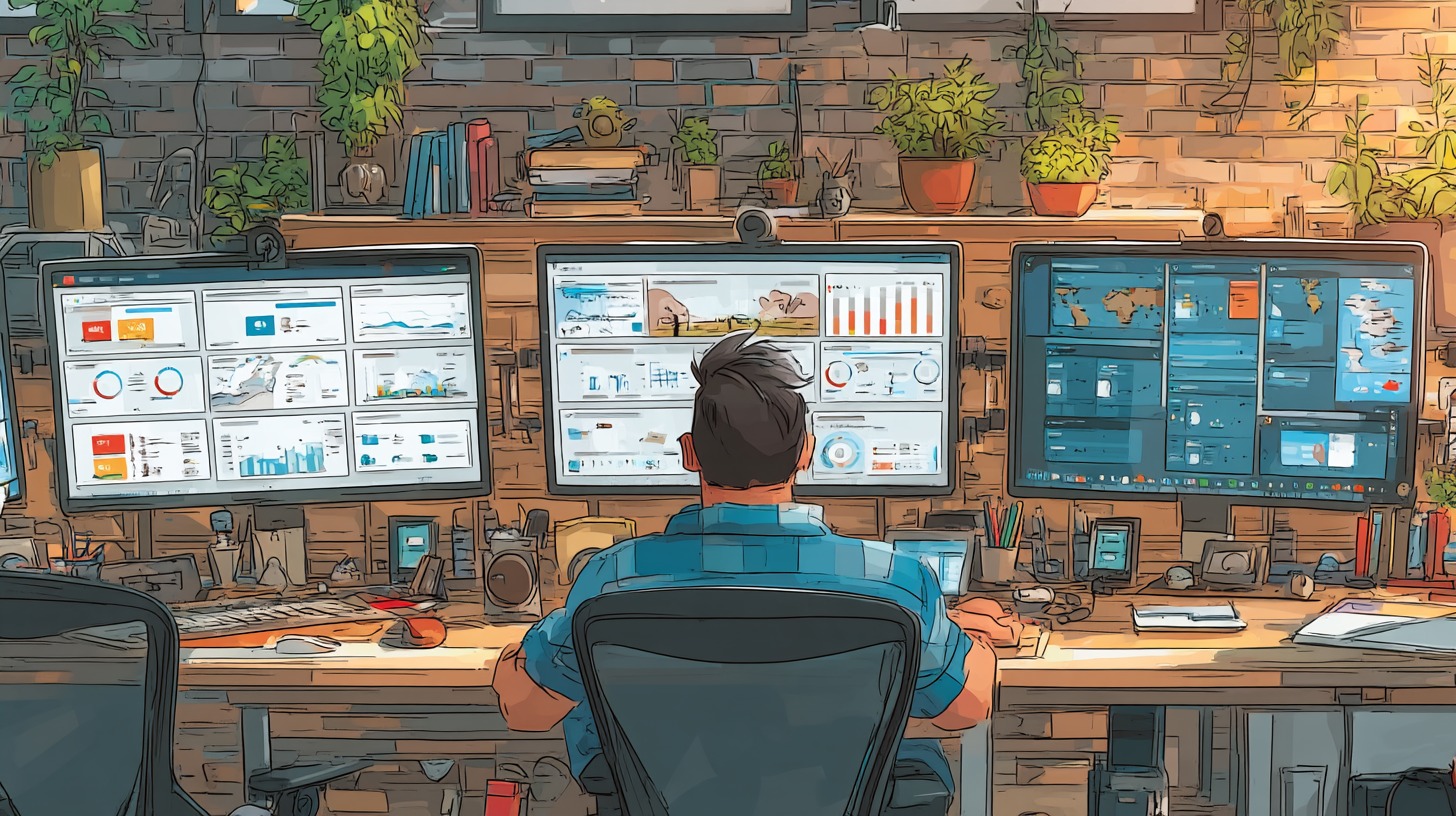

Technology has revolutionized how we drive, ride, and navigate, significantly improving road safety. With advanced vehicle features and innovative infrastructure helping to reduce accidents and save lives, it’s easier than ever to understand how to protect your driving. However, these advancements don’t replace our personal responsibility to make safe decisions. Road safety remains a shared duty, requiring both technological support and safe behaviour from everyone.
Advanced vehicle safety features
Modern cars are often equipped with technologies like autonomous emergency braking (AEB), lane-keeping assist, and blind-spot monitoring. These systems act as an extra set of eyes, detecting potential hazards and intervening to prevent accidents. For example, AEB can automatically apply the brakes if it detects an imminent collision, potentially avoiding or lessening the impact. Lane-keeping assist helps drivers stay within their lanes, reducing the risk of side-impact collisions.
Despite their benefits, these systems aren’t foolproof. Over-reliance can lead to complacency. Drivers must remain alert, ensuring these features complement — not replace — their own vigilance.
Enhancing safety for vulnerable road users
Technology has also improved safety for cyclists, pedestrians, and motorcyclists. Smart traffic lights with sensors can detect cyclists and pedestrians to ensure safer crossings. Advanced helmets with built-in communication systems and crash detection offer extra protection for motorcyclists. Similarly, radar-enabled bike lights can alert cyclists to approaching vehicles. These innovations help create a safer environment for everyone on the road.
Smarter infrastructure for safer roads
Technological advancements have also transformed road infrastructure. Smart motorways use sensors and cameras to monitor traffic, adjust speed limits, and warn of congestion or accidents in real-time. Electronic signs provide drivers with timely updates about weather conditions, road closures, and other hazards, enabling better decision-making. In rural Australia, solar-powered lighting and reflective road markings improve night-time visibility, addressing the unique safety challenges of these areas.
The human element in road safety
No matter how advanced technology becomes, road safety ultimately depends on human behaviour. A vehicle with the latest features won’t prevent an accident if the driver is distracted, speeding, or impaired. Cyclists and pedestrians must also remain vigilant and follow traffic rules. Technology is a powerful support system, but it cannot replace safe decision-making.

Public safety campaigns often highlight the critical role of human behaviour. By encouraging people to reflect on their habits and commit to safer actions, these initiatives ensure technology and responsible choices work together.
Education through technology
Digital tools are also playing a key role in road safety education. Simulators, apps, and virtual reality programs allow drivers to practice hazard perception and understand the consequences of distracted driving in a risk-free setting. Interactive online resources make road safety education more accessible and impactful, empowering users to adopt better habits.
The wider impact on road safety
Technology’s impact extends to entire communities. Emergency response systems like eCall, which automatically alert authorities after a crash, have significantly reduced response times. Transport companies use telematics to monitor driver behaviour, promoting safer practices and reducing accidents involving heavy vehicles. Local governments also use traffic data to identify high-risk areas and implement targeted safety measures.
Balancing technology and responsibility
While technology has greatly improved road safety, it cannot replace personal accountability. Whether you’re a driver, cyclist, or pedestrian, your decisions are critical. Many safety initiatives continue to lead the way by combining technological benefits with responsible road use, fostering a culture of safety tailored to the specific needs of different communities, from urban centres to regional areas.